

Why Your Digestion Could Be Ruining Your Sleep And Natural Solutions That Work
Picture this: It's 2 AM, and you're wide awake, tossing and turning with that familiar burning sensation creeping up your chest. Or maybe it's that heavy, bloated feeling from dinner that just won't let you drift off. Sound familiar? You're not alone. Nearly 70 million Americans struggle with digestive issues, and an astounding 50-70 million battle sleep disorders. But here's what most people don't realize, these two problems are more connected than fraternal twins at a family reunion.
If you've been blaming your sleepless nights solely on stress or that afternoon coffee, it might be time to look at what's happening in your gut health balance. The fascinating truth is that your digestive system and sleep quality are locked in an intricate dance that scientists are only beginning to fully understand. And the good news? Once you understand this connection, you can take natural, effective steps to improve both your digestion and your sleep starting tonight.
Understanding the Gut-Brain-Sleep Axis
Let's dive into the science (don't worry, I'll keep it digestible pun intended). Your gut and brain are in constant communication through what scientists call the gut-brain axis. This superhighway of signals runs primarily through your vagus nerve, the longest nerve in your body that connects your brain to your digestive system.
How Your Digestive System Works During Sleep
When you finally hit the pillow, you might think your entire body goes into shutdown mode. Not quite. Your digestive system actually follows its own nighttime agenda. During sleep, your digestion slows down significantly think of it like switching from highway speeds to a residential zone. This slowdown is orchestrated by your circadian rhythm, the same internal clock that makes you feel sleepy when the sun goes down.
Dr. Michael Breus, known as "The Sleep Doctor," explains it perfectly: "Your gut has its own circadian rhythm that syncs with your sleep-wake cycle. When this rhythm is disrupted, it's like having jet lag in your belly."
Here's where it gets interesting: while you're catching Z's, your gut is busy producing about 90% of your body's serotonin, yes, the "happy hormone" that also happens to be a precursor to melatonin, your sleep hormone. This means your gut literally helps manufacture the chemicals that keep you sleeping soundly.
The Bidirectional Relationship
The relationship between your gut and sleep isn't a one-way street it's more like a bustling roundabout where traffic flows in all directions. Poor sleep can wreak havoc on your gut health, leading to increased inflammation, altered gut bacteria, and even changes in how your intestines function. On the flip side, digestive issues can significantly disturb your sleep patterns.
Recent research from the National Institutes of Health reveals that people with gastrointestinal disorders experience sleep disturbances at nearly twice the rate of those with healthy digestive systems. The gut microbiome that complex community of trillions of bacteria living in your intestines communicates with your brain through immune signals and produces short-chain fatty acids like butyrate that directly influence sleep quality.
5 Digestive Problems Keeping You Awake
Now that we understand the connection, let's explore the specific digestive culprits that might be sabotaging your sleep.
-
Acid Reflux and GERD: If you've ever felt like a fire-breathing dragon in the middle of the night, you know the misery of acid reflux. Gastroesophageal reflux disease (GERD) affects approximately one-third of adults and is one of the most common sleep disruptors. When you lie down, gravity no longer helps keep stomach acid where it belongs, allowing it to creep up into your esophagus.
The solution isn't just popping antacids like candy. Simple position changes can make a world of difference. Sleeping on your left side can reduce reflux episodes by up to 71% because of the way your stomach is positioned. Elevating the head of your bed by 6-8 inches also helps gravity work in your favor.
-
Bloating and Gas: That uncomfortable, balloon-like feeling in your stomach isn't just annoying—it can make finding a comfortable sleeping position feel like solving a Rubik's cube blindfolded. Bloating typically peaks 2-3 hours after eating, which unfortunately coincides with many people's bedtime.
The main culprits? Foods high in FODMAPs (fermentable oligosaccharides, disaccharides, monosaccharides, and polyols)—basically, foods that ferment in your gut and produce gas. Common offenders include beans, cruciferous vegetables, dairy products, and artificial sweeteners.
-
IBS and Sleep Disturbances: Irritable bowel syndrome (IBS) and sleep problems are like that couple that brings drama to every party. where one goes, the other follows. Studies show that people with IBS are 1.6 times more likely to experience sleep disturbances, creating a vicious cycle where poor sleep worsens IBS symptoms, which in turn disrupts sleep even more.
The stress-gut-sleep cycle is particularly brutal here. Stress triggers IBS flare-ups, which disturb sleep, leading to more stress. Breaking this cycle requires a multi-pronged approach addressing both digestive health and sleep hygiene simultaneously.
-
Food Intolerances: Here's something that might surprise you: that glass of milk before bed or slice of whole wheat toast could be the hidden saboteur of your sleep. Food intolerances, unlike allergies, can have delayed reactions that manifest hours after eating right around bedtime.
Common hidden sensitivities include lactose, gluten, and histamine intolerance. These can cause inflammation, bloating, and general digestive discomfort that makes quality sleep nearly impossible.
-
Late-Night Eating Syndrome: Let me tell you about Sarah, a 35-year-old marketing manager who came to realize her midnight snacking wasn't just a bad habit—it was destroying her sleep. "I'd have dinner at 6 PM, feel fine, then suddenly at 10 PM, I'd be raiding the fridge like I hadn't eaten in days," she shared. "I'd go to bed stuffed and wake up exhausted, despite getting eight hours in bed."
Sarah's experience is textbook late-night eating syndrome, where consuming large amounts of food close to bedtime overwhelms your digestive system just when it should be winding down.
Warning Signs You Shouldn't Ignore
Your body is constantly sending signals the question is, are you listening? Here are the red flags that your digestion is messing with your sleep:
-
Waking up between 2-4 AM regularly: This is prime time for liver detoxification and digestive processes. Consistent wake-ups during this window often indicate digestive imbalances.
-
Morning fatigue despite adequate sleep time: If you're getting your 7-9 hours but still feel like you've been hit by a truck, poor nighttime digestion might be preventing deep, restorative sleep.
-
Nighttime heartburn or chest discomfort: This obvious sign is often ignored or masked with antacids instead of addressing the root cause.
-
Frequent bathroom trips: If you're making more than one nighttime bathroom visit, it could indicate digestive inflammation or food sensitivities.
-
Morning bloating or stomach pain: Waking up bloated suggests incomplete digestion from the night before.
-
Vivid dreams or nightmares after certain foods: Some foods, particularly those high in tyramine or that cause blood sugar spikes, can trigger intense dreams that disturb sleep quality.
-
Difficulty falling asleep after meals: If you consistently struggle to fall asleep after eating, even if dinner was hours ago, your digestive system might still be working overtime.
Evidence-Based Natural Remedies
Now for the good news you don't need a medicine cabinet full of prescriptions to improve your gut-sleep connection. Nature has provided us with powerful solutions that have been validated by modern science.
Herbal Supplements That Support Both Systems
The beauty of natural remedies is that many herbs support both digestive health and sleep quality simultaneously. Adaptogens like Shilajit, for instance, have been shown to improve gut health while reducing stress and promoting better sleep. This ancient remedy, now available in modern nano-extracted formulations, provides minerals and fulvic acid that support digestive enzyme production and cellular energy.
Traditional herbs have stood the test of time for good reason. Chamomile doesn't just make a soothing bedtime tea, it contains compounds that relax digestive muscles and reduce inflammation. Ginger, particularly in nano-extracted liquid form for better absorption, can settle an upset stomach while its warming properties promote relaxation. Peppermint oil has been shown to reduce IBS symptoms by up to 40%, leading to better sleep quality.
Here's a fun fact: medieval monks used to joke that "a bellyful of peppermint keeps the midnight demons away" turns out they were onto something, just replace "demons" with "digestive discomfort"!
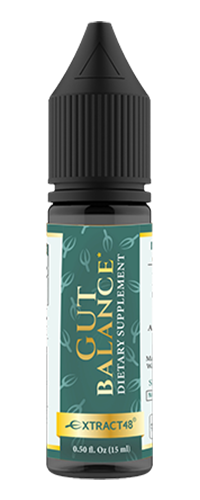
Herbal Supplements for Digestion (15 ml)
Support healthy digestion naturally with our herbal blend formulated from plant-based ingredients. Gentle, fast-absorbing, and perfect for daily balance.
Shop NowDietary Adjustments for Optimal Rest
The golden rule? Follow the 3-hour rule. finish eating at least three hours before bedtime. This gives your body enough time to digest while you're still upright and active. But it's not just about when you eat, it's also about what you eat.
Foods that promote both sleep and healthy digestion include:
-
Kiwi fruit: Rich in serotonin and digestive enzymes
-
Tart cherries: Natural source of melatonin and anti-inflammatory compounds
-
Fermented foods: Yogurt, kefir, and sauerkraut support gut bacteria that produce sleep-regulating chemicals
- Magnesium-rich foods: Almonds, spinach, and pumpkin seeds relax both digestive muscles and the nervous system
Stay hydrated, but time it right. Stop drinking large amounts of fluids 90 minutes before bed to minimize those midnight bathroom runs.
Lifestyle Modifications
Remember, you're not just what you eat, you're how you eat, when you eat, and what you do after you eat. Stress management isn't just good for your mind, it's essential for your gut-brain axis. Techniques like deep breathing, meditation, or gentle yoga can reduce cortisol levels that interfere with both digestion and sleep.
Exercise timing matters more than you might think. While regular exercise improves both digestive health and sleep quality, vigorous workouts within three hours of bedtime can actually stimulate your system when it should be winding down. Aim for morning or early evening workouts, saving gentle stretching or walks for after dinner.
Your 90-Minute Pre-Sleep Digestive Protocol
Let's get practical. Here's your new evening routine that'll have both your gut and your sleep thanking you:
-
90 minutes before bed: Finish your last meal or snack. Keep it light—think a small portion of complex carbs with a bit of protein. A slice of whole grain toast with almond butter or a small bowl of oatmeal with banana works perfectly.
-
60 minutes before bed: Time for your herbal support. Whether it's a cup of chamomile-ginger tea or a high quality digestive supplement, this is when you give your system that extra support it needs.
-
45 minutes before bed: Gentle movement time. Not a workout—think light stretching, a leisurely walk around the block, or some gentle yoga poses. The cat-cow pose is particularly good for digestive health.
-
30 minutes before bed: Begin your relaxation practice. This could be reading (but not on screens—the blue light disrupts melatonin production), meditation, or journaling. Let your mind and digestive system know it's time to wind down.
-
15 minutes before bed: Final bathroom visit and sleep preparation. Make sure your room is cool (between 60- 67°F is optimal), dark, and quiet.
Red Flags That Require Medical Attention
While natural remedies can work wonders, it's crucial to recognize when professional help is needed. Don't try to tough it out if you experience:
-
Chronic insomnia lasting more than 4 weeks: This indicates a deeper issue that needs medical evaluation Severe abdominal pain: Especially if it wakes you from sleep
-
Unexplained weight loss: Could indicate a serious digestive condition
-
Blood in stool: Never ignore this warning sign
- Persistent vomiting or nausea: Particularly if it occurs at night
Your health is not a DIY project when serious symptoms are involved. These signs warrant immediate medical attention, not just another herbal tea.
The Bottom Line
Your gut and your sleep are in a committed relationship, whether you've acknowledged it or not. By understanding and nurturing this connection, you can dramatically improve both your digestive health and sleep quality. The science is clear: treating gastrointestinal issues directly improves sleep quality, and improving sleep enhances gut health.
Start with small changes implement the 3-hour rule, try some digestive-supporting herbs, and create that evening routine. Your body has an incredible capacity to heal and regulate itself when given the right support. Track your progress with a simple sleep-digestion journal, noting what you eat, when you eat it, and how you sleep. Patterns will emerge that help you fine-tune your approach.
Remember, every body is different. What works for your yoga instructor friend might not work for you. Be patient, be consistent, and most importantly, listen to your body. It's been trying to tell you something, now you know how to interpret the message.
Frequently Asked Questions
Q: Does eating late at night actually affect my sleep, or is this just an old wives' tale?
A: This is definitely not a myth! Eating late at night significantly impacts sleep quality through multiple mechanisms. When you eat close to bedtime, your body has to divert energy to digestion instead of the restorative processes that should occur during sleep. Research shows that eating within 3 hours of bedtime increases the likelihood of nighttime awakenings and reduces time spent in deep sleep. Additionally, lying down shortly after eating increases the risk of acid reflux, as gravity no longer helps keep stomach contents where they belong. Your metabolism also follows a circadian rhythm, slowing down in the evening, which means late night food isn't processed as efficiently, leading to digestive discomfort that can disturb sleep.
Q: Can probiotics really help me sleep better, and if so, which ones should I take?
A: Yes, probiotics can significantly improve sleep quality by supporting the gut-brain axis. Studies have shown that certain probiotic strains, particularly Lactobacillus and Bifidobacterium species, can improve sleep by increasing the production of GABA and serotonin in the gut. These neurotransmitters play crucial roles in regulating sleep. A 2019 study found that participants taking probiotics fell asleep faster and experienced fewer nighttime awakenings. Look for multi-strain probiotics with at least 10 billion CFUs, taken consistently for at least 4-6 weeks to see benefits. Some people find taking probiotics in the evening more beneficial for sleep, though timing can vary by individual. Combining probiotics with prebiotic foods like garlic, onions, and bananas can enhance their effectiveness.
Q: Why do I wake up between 2-4 AM every night, and could this be related to my digestion?
A: Waking between 2-4 AM is often directly related to digestive and liver function. According to traditional Chinese medicine and supported by modern chronobiology, this time period is when your liver is most active in detoxification processes. If your digestive system is overloaded or struggling with certain foods, it can trigger cortisol release during this time, causing you to wake up. Common culprits include alcohol consumption, high sugar or high-fat dinners, food intolerances, or blood sugar imbalances. This pattern can also indicate small intestinal bacterial overgrowth (SIBO) or other gut imbalances. To address this, try eating lighter dinners, avoiding alcohol and sugar in the evening, and ensuring you're getting enough fiber and water throughout the day to support proper elimination.
Q: Is there really a connection between IBS and poor sleep, or is it just coincidence that I have both?
A: The connection between IBS and poor sleep is very real and scientifically documented. People with IBS are 1.6 times more likely to experience sleep disturbances, and poor sleep can trigger IBS flare-ups, creating a vicious cycle. This happens because IBS and sleep disorders share common pathways involving serotonin regulation, stress response, and inflammation. The gut produces about 90% of your body's serotonin, which is crucial for both digestive function and sleep regulation. Additionally, the stress of dealing with IBS symptoms can activate your sympathetic nervous system, making it harder to achieve restful sleep. Research has shown that treating IBS symptoms directly improves sleep quality, and conversely, improving sleep can reduce IBS severity. Melatonin supplementation has been particularly effective for people with IBS, improving both sleep and reducing abdominal pain.
Remember: While these natural approaches can significantly improve your gut-sleep connection, always consult with a healthcare provider for persistent or severe symptoms. Your journey to better digestive health and restful
sleep is unique to you, embrace it with patience and self-compassion.

Digestive Health Collection
Explore our range of herbal blends crafted to support gut balance, improve nutrient absorption, and promote smoother digestion — all in easy-to-use natural drops.
Shop Now